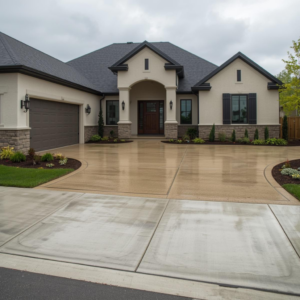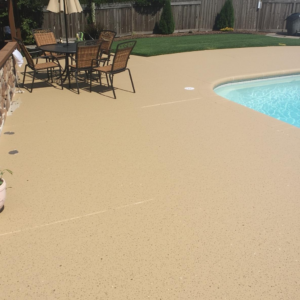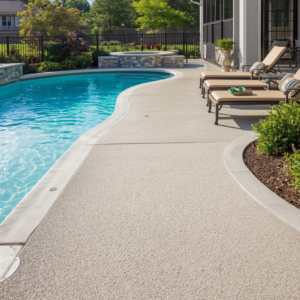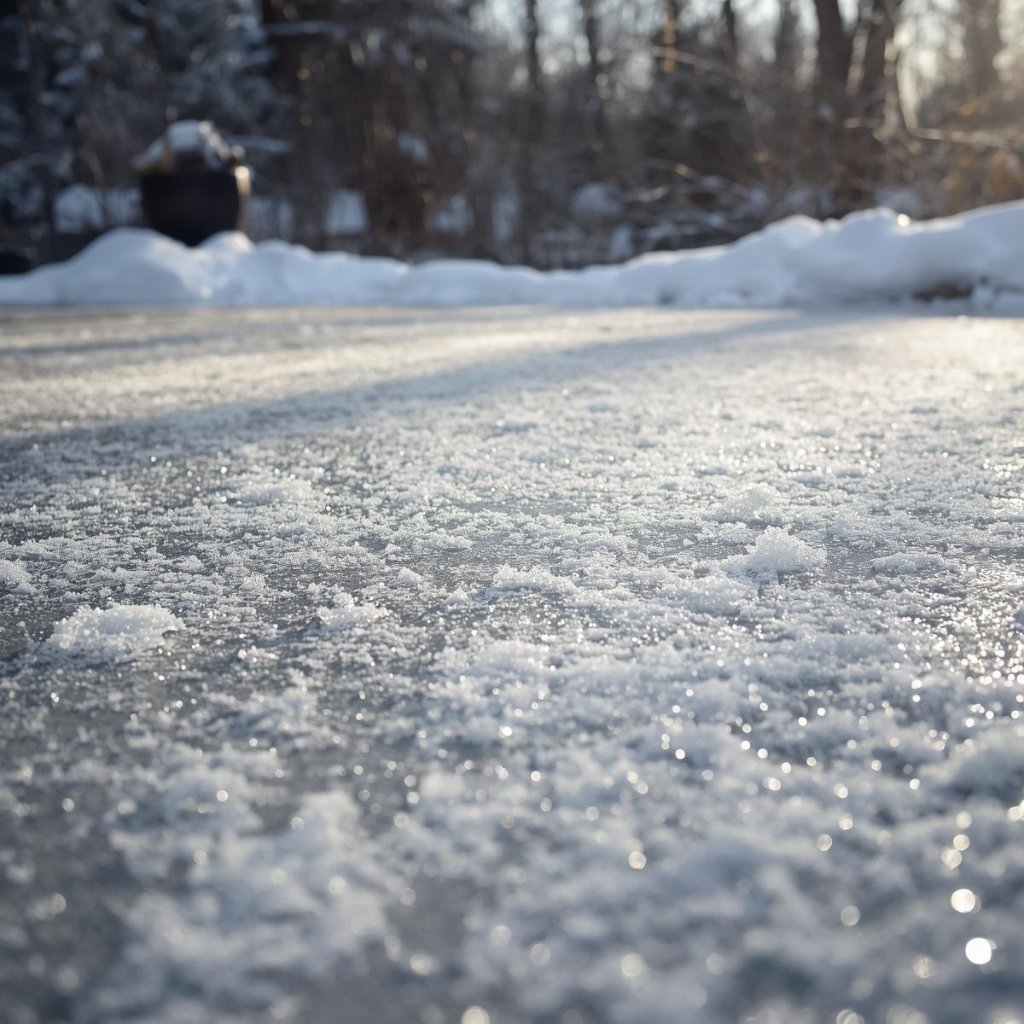
Midwest winters are notoriously unforgiving. When the temperature drops, homeowners prepare for heavy snowfalls, biting winds, and the inevitable layer of ice that coats everything outdoors. Your outdoor living spaces take the brunt of this extreme weather. Concrete surfaces are especially vulnerable to the elements, leaving many people wondering how to best protect their investment before the first blizzard hits.
You might love hosting summer barbecues and fall fire-pit nights, but leaving unprotected concrete exposed to sub-zero temperatures guarantees accelerated wear and tear. Moisture seeps into the porous surface, expanding as it freezes and causing unsightly cracks. Finding a reliable solution to prevent this damage is a top priority for property owners who want to maintain a pristine backyard.
Applying a protective layer is a smart move, but not all products are created equal. Can a concrete coating truly hold up against the brutal combination of ice, road salt, and relentless freezing temperatures? With the right materials and expert application, the answer is an absolute yes.
Key Takeaways
- Unprotected concrete is highly susceptible to cracking and spalling during winter freeze-thaw cycles.
- Advanced polyurea and polyaspartic coatings provide superior flexibility and chemical resistance compared to traditional epoxy or sealers.
- Hiring an experienced Evansville Coating Contractor ensures the proper surface preparation required for maximum durability.
The Toll of Winter Weather on Concrete
Concrete might look like an indestructible material, but it actually functions more like a hard sponge. Its porous nature allows water from melting snow and ice to easily penetrate the top layer. Understanding how this environment affects your backyard is the first step toward finding a lasting solution.
Freeze-Thaw Cycles Explained
The primary enemy of any concrete surface in the Midwest is the freeze-thaw cycle. During the day, sunlight melts snow into water, which then absorbs into the microscopic pores of your concrete slab. When the sun goes down and temperatures plummet, that trapped water freezes and expands. This expansion creates immense internal pressure. Over multiple cycles, the concrete begins to micro-fracture, eventually leading to large, visible cracks and a crumbling surface known as spalling.
The Danger of De-Icing Chemicals
To combat ice, many people use rock salt and chemical de-icers. While these products keep your family safe from slipping, they are highly corrosive to bare concrete. Salt lowers the freezing point of water, increasing the frequency of the freeze-thaw cycle. Furthermore, the chemicals themselves can break down the paste that holds the concrete aggregate together, accelerating the deterioration process.
Why Standard Sealers Fall Short
Many homeowners attempt to solve the winter weather problem by purchasing standard concrete sealers or DIY epoxy kits from the local hardware store. Unfortunately, these traditional options rarely survive a single Midwest winter.
Standard acrylic sealers sit on top of the concrete and wear away quickly under foot traffic and snow shoveling. Basic epoxy products, while thicker, become incredibly rigid in freezing temperatures. When the concrete naturally shifts and contracts during a hard freeze, rigid epoxy cannot flex with it. The result is a coating that chips, peels, and flakes away, leaving your patio exposed and looking worse than before.
The Polyurea Advantage for Midwest Patios
To combat extreme weather, you need a material engineered for harsh conditions. Polyurea and polyaspartic coatings represent the gold standard for outdoor concrete protection. TSR Concrete Coatings utilizes these advanced materials because they specifically address the unique challenges posed by freezing climates.
Flexibility in Freezing Temperatures
Unlike traditional epoxy, polyurea maintains an elastic quality even when the thermometer drops below zero. When your concrete slab inevitably shifts, contracts, or expands due to temperature fluctuations, a polyurea coating flexes along with it. This elasticity prevents the cracking and peeling that plague inferior products. The coating forms a permanent bond with the concrete, creating an impenetrable barrier that keeps melting snow and ice completely locked out of the pores.
Resistance to Salt and Chemicals
Another major advantage of advanced polyaspartic topcoats is their extreme chemical resistance. If you need to use de-icing salts to clear a pathway to your backyard, you can do so without worrying about eating through the finish. These coatings repel salt, oil, and harsh chemicals, ensuring the color remains vibrant and the surface stays completely intact year after year.
Finding the Right Coating Professional
The effectiveness of any premium coating relies heavily on the quality of the installation. Even the most advanced polyurea will fail if the concrete is not properly prepped. Choosing a reputable Patio Coating Company guarantees that your surface will be meticulously ground, repaired, and cleaned before any product is applied.
Working with a dedicated Evansville Coating Contractor means you are hiring professionals who understand the local climate. They know exactly how temperature and humidity affect the curing process and utilize specialized equipment to ensure the base coat penetrates deeply into the concrete for a lifelong bond.
Frequently Asked Questions
Can concrete coatings be applied during the winter?
Yes, one of the unique benefits of polyurea and polyaspartic materials is their ability to cure rapidly in extremely cold temperatures. Unlike traditional epoxy, which requires a warm environment to set, professional installers can successfully apply these advanced coatings even in the middle of winter.
How do I clean my coated patio after a snowstorm?
Maintenance is incredibly simple. You can safely use a standard plastic snow shovel or snowblower to clear the area. The textured, slip-resistant surface is tough enough to withstand regular winter maintenance without scratching or dulling the finish.
Protect Your Outdoor Space Year-Round
You deserve an outdoor space that looks beautiful in the summer and remains fully protected through the harshest winter months. Stop worrying about ice damage, salt corrosion, and expanding cracks ruining your backyard. By investing in a high-quality polyurea application from TSR Concrete Coatings, you are securing a durable, flexible, and visually stunning surface that will easily outlast the bitter cold. Take action before the freezing temperatures arrive and enjoy peace of mind knowing your property is safe.