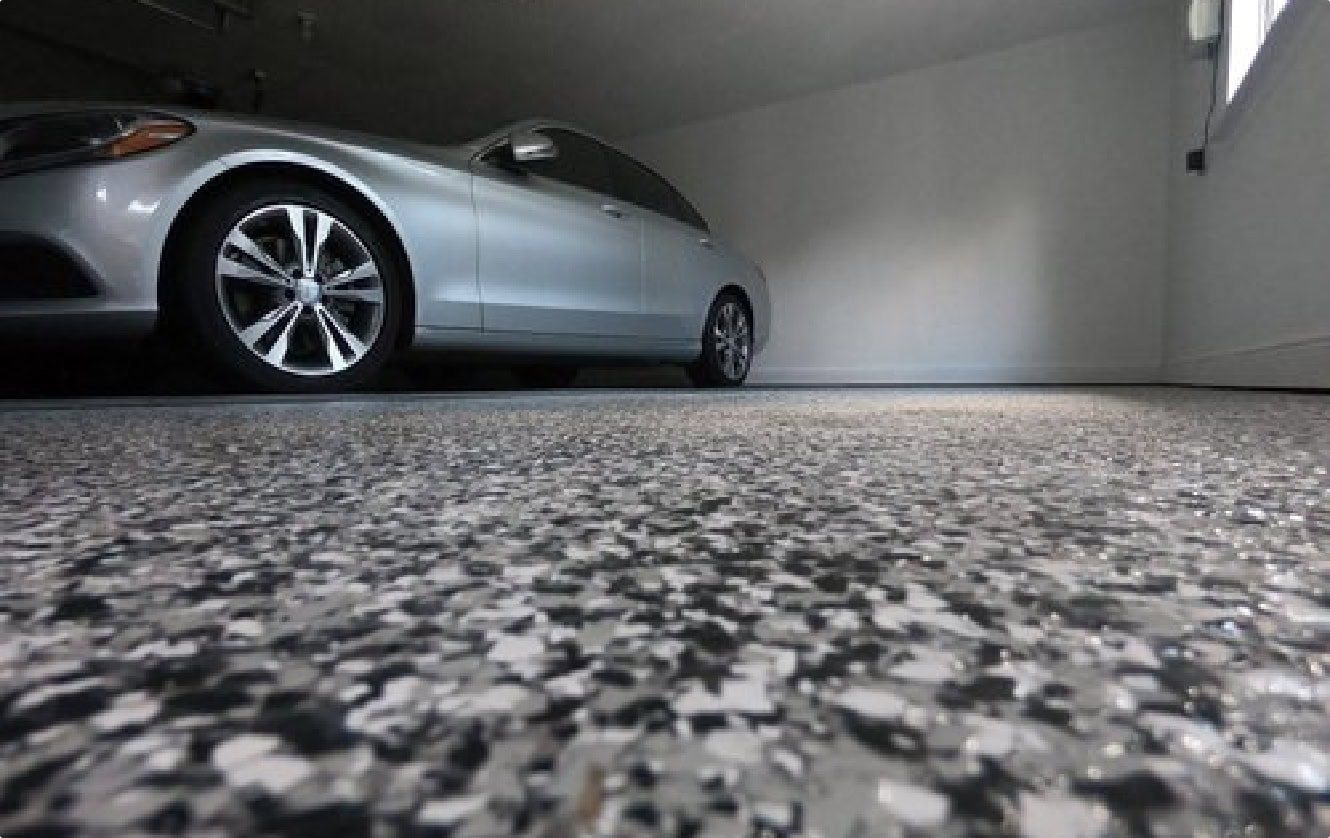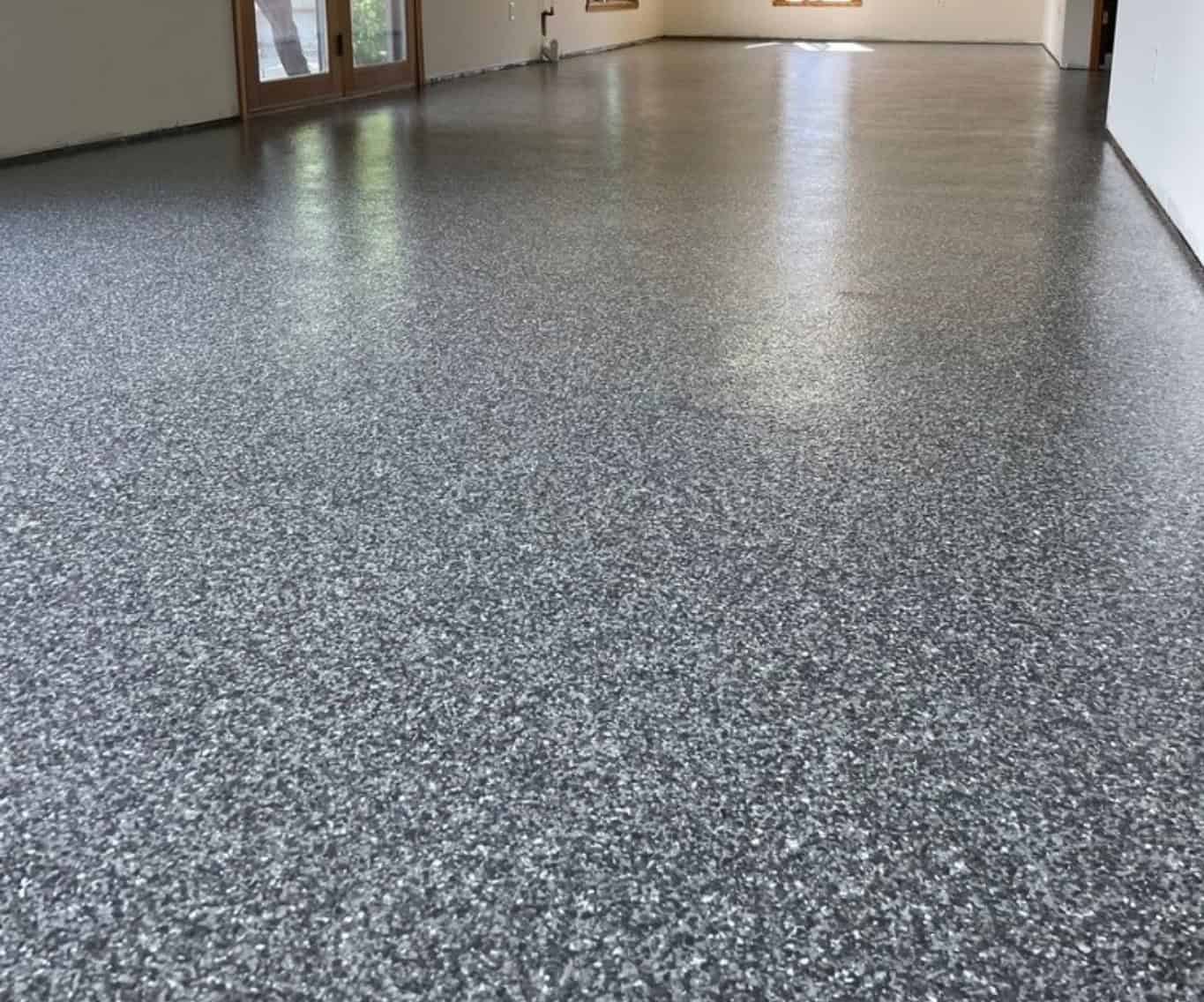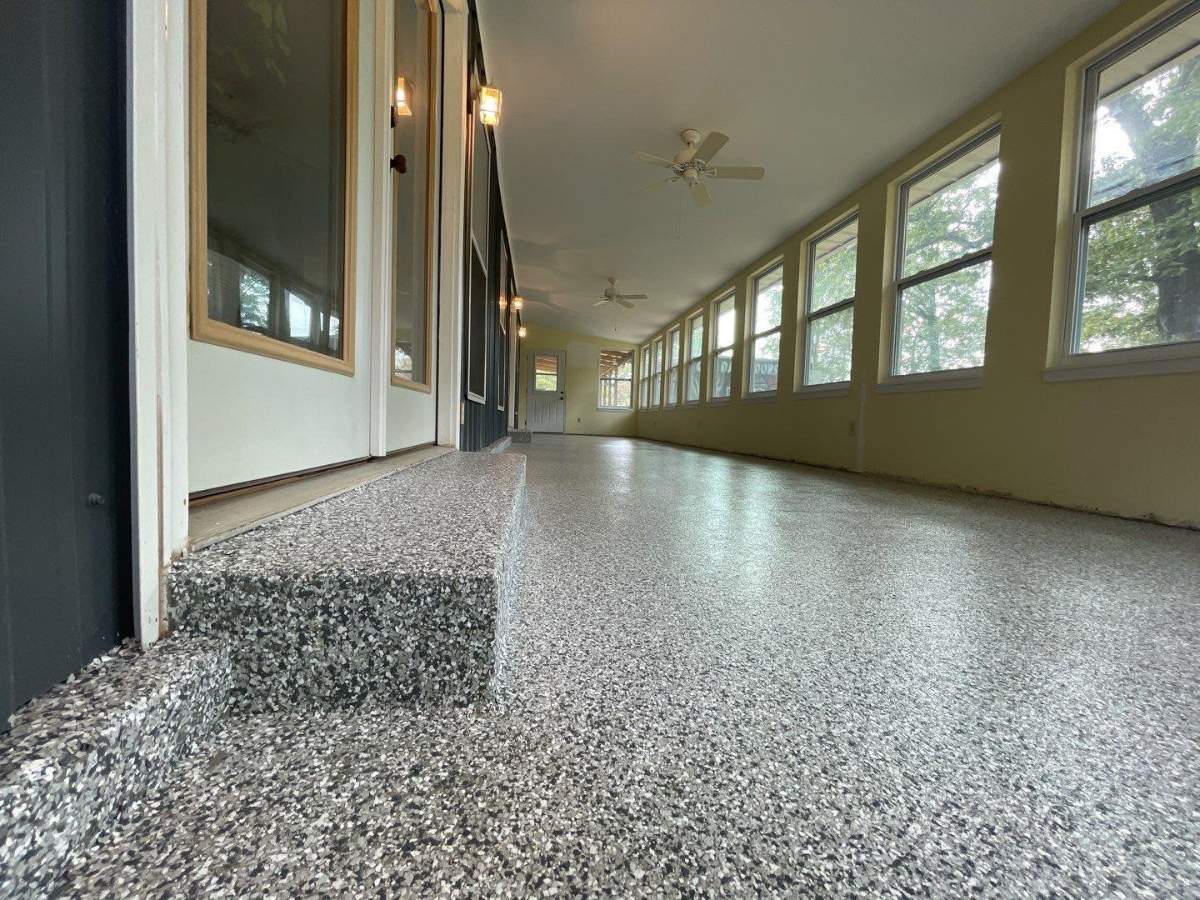
Quick answer: The best Concrete Coatings for Basements depend on your specific needs. Polyurea and polyaspartic coatings offer the highest durability and fastest cure times, making them ideal for temperature-variable areas. Epoxy remains a budget-friendly option for low-traffic spaces, while concrete stains work well for a rustic aesthetic. Choose TSR Concrete for professional application.
Key Takeaways
- Polyurea and polyaspartic coatings provide superior flexibility and resistance to moisture compared to traditional epoxy floors.
- Proper surface preparation, including diamond grinding, is absolutely essential for any coating to adhere correctly to your basement floor.
- Partnering with an experienced Omaha NE Concrete Coating Company ensures a long-lasting, flawless finish that withstands the test of time.
Finishing a basement adds valuable square footage to your home. It creates an ideal space for a home gym, an entertainment center, or an extra bedroom. However, the foundation of any great lower-level renovation starts with the floor. Concrete subfloors naturally emit moisture, which can ruin carpet, warp hardwood, and cause laminate to peel.
Applying a durable floor coating solves these moisture problems while providing a beautiful, customized look. Different products offer varying levels of protection, flexibility, and aesthetic appeal. Understanding the unique properties of each material helps homeowners make an informed decision for their specific renovation project.
What are the most popular basement floor coatings?
Homeowners have several reliable options when selecting a protective layer for their basement floors. The right choice depends heavily on your budget, timeline, and the expected foot traffic in the finished space.
When should you choose epoxy basement floor coatings?
Epoxy is a classic, widely used material that creates a thick, hard surface over existing concrete. Choose epoxy if budget is your primary concern and you have ample time to allow the floor to cure. A standard epoxy application typically requires several days to dry completely. While epoxy resists stains and chemical spills effectively, it lacks flexibility. This rigidity means that if the concrete foundation shifts or cracks over time, the epoxy layer is likely to crack as well.
Why are polyurea and polyaspartic coatings considered the best?
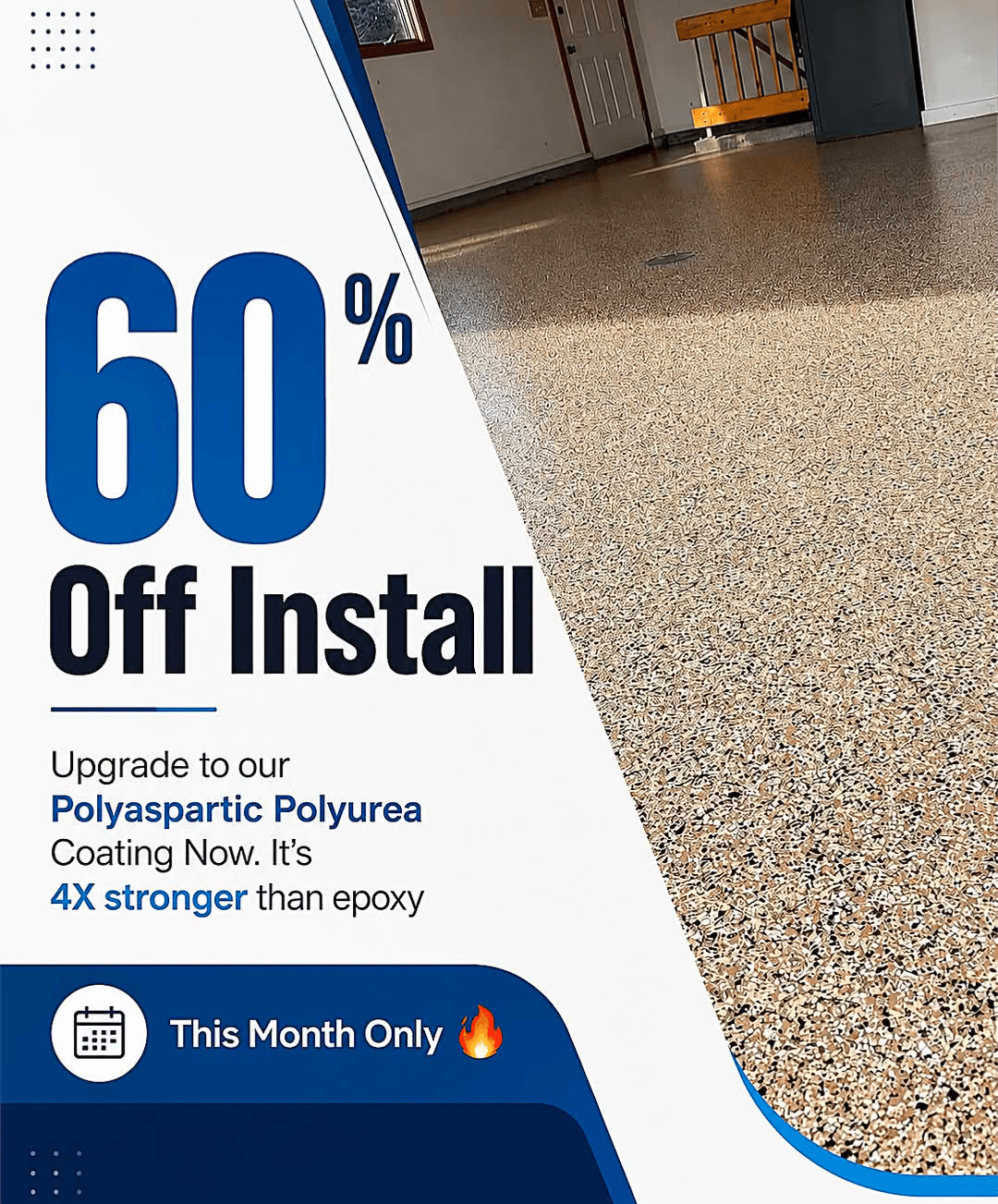
Polyurea base coats combined with polyaspartic topcoats represent the gold standard for Concrete Coatings for Basements. Choose a polyurea/polyaspartic system if durability and speed matter most to you. These materials are up to four times stronger than traditional epoxy and cure incredibly fast. A professional installation team can often complete the entire application process in a single day.
Furthermore, polyurea boasts extreme flexibility. It expands and contracts with the natural temperature fluctuations of a basement foundation, preventing the peeling and cracking commonly associated with older coating technologies.
Are concrete stains a good option for basements?
Concrete stains penetrate the porous surface of the concrete rather than sitting on top of it. Choose a concrete stain if you want a budget-friendly, rustic, or industrial aesthetic. Stains react chemically with the minerals in the concrete to create rich, varied earth tones. However, stains do not offer the same level of moisture protection or impact resistance as a thick polyurea or epoxy coating. You must apply a high-quality sealant over the stain to protect the surface from wear and tear.
How does moisture affect concrete coatings for basements?
Basements are notoriously damp environments. Concrete is a porous material that acts like a sponge, drawing water vapor up from the soil beneath the foundation. This phenomenon, known as hydrostatic pressure, poses a significant threat to any finished flooring.
If you apply a rigid, impermeable coating over concrete with high moisture vapor transmission, the pressure will eventually force the coating to detach. This leads to unsightly peeling and bubbling. Modern polyurea systems breathe better than traditional epoxy, allowing moisture vapors to pass through the material without breaking the bond to the concrete. TSR Concrete always measures moisture levels before recommending a specific product to ensure long-term adhesion.
Why should you hire an Omaha NE Concrete Coating Company?
Many hardware stores sell DIY epoxy kits, tempting homeowners to tackle floor coatings themselves. However, professional installation offers distinct advantages that DIY kits simply cannot match.
The success of any floor coating relies entirely on surface preparation. A professional Omaha NE Concrete Coating Company uses heavy-duty equipment, such as planetary diamond grinders, to profile the concrete. This grinding process opens the pores of the concrete, allowing the base coat to penetrate deeply and form a permanent mechanical bond. DIY acid etching methods rarely achieve this level of preparation, leading to premature floor failure.
Additionally, professionals have access to industrial-grade polyurea and polyaspartic products that cure too quickly for a novice to apply evenly. Hiring experts like TSR Concrete guarantees a smooth, even finish and typically includes a robust warranty for peace of mind.
Ready to Upgrade Your Basement Flooring?
Transforming a dark, dusty basement into a beautiful, functional living area requires a solid foundation. Selecting the right flooring material dictates the longevity and usability of your new space. By investing in a high-quality polyurea and polyaspartic system, you protect your home against moisture intrusion while creating an attractive, easy-to-clean surface.
Take the guesswork out of your basement renovation. Reach out to TSR Concrete today to schedule a consultation and discover how a premium floor coating can elevate your home’s lower level.
Frequently Asked Questions About Basement Floor Coatings
How much do concrete coatings for basements typically cost?
The cost depends on the square footage of your basement, the condition of the existing concrete, and the specific type of coating chosen. Polyurea systems generally cost more upfront than epoxy, but their extended lifespan and durability make them more cost-effective in the long run.
How long does the installation process take?
When you hire an experienced Omaha NE Concrete Coating Company, a polyurea/polyaspartic installation usually takes exactly one day. You can typically walk on the new surface within 12 to 24 hours, and return heavy furniture to the room within 48 hours. Traditional epoxy installations take between three and five days to complete and cure.
Are strong odors present during the installation?
Most modern, high-quality polyaspartic topcoats feature low volatile organic compounds (VOCs). This means they emit very little odor during the application process. You do not need to leave your home while the team works on your basement floor.
Can coatings fix existing cracks in my basement floor?
Yes. Before applying the base coat, professionals use specialized mending materials to fill and repair existing cracks, pits, and spalls in the concrete. Once the coating is applied over the repairs, the floor looks seamless and brand new.